


About South Sudan Relief Foundation (SSRF)
Founded in 2024 and rooted in Morobo County, SSRF is a community-based humanitarian organisation committed to protecting vulnerable people affected by conflict — especially women, youth and persons with disabilities — while building lasting peace, resilience and economic opportunity.
Background & Origin
South Sudan Relief Foundation (SSRF) was established in 2024 as a non-political, non-religious, community-based organisation. SSRF exists to respond to humanitarian and development needs in conflict-affected communities through peacebuilding, livelihood support, inclusive protection and targeted service delivery for persons with disabilities, women, youth, returnees and IDPs.
Our interventions are community-driven and implemented in partnership with local authorities, civil society, and humanitarian actors to address root causes of vulnerability including food insecurity, environmental degradation, limited access to health and education, and gender-based violence.
Mission, Vision & Goal
Mission
Enhance humanitarian assistance and peacebuilding initiatives in post-conflict areas for sustainable communities of South Sudan.
Vision
We envision a South Sudan where every person enjoys a dignified life and sustainable development.
Goal
To sustainably empower communities to access economic opportunities, gender equality, and peaceful coexistence.
Core Values
Thematic Areas of Intervention
SSRF implements multi-sector programming aligned to the Sustainable Development Goals (SDGs) and local priorities. Our core thematic areas include:
GBV response, child protection, disability inclusion and psychosocial support.
Water point construction, sanitation, hygiene promotion and MHM support.
Vocational training, micro-grants, market linkages and climate-smart agriculture.
Reforestation, sustainable farming and community conservation.
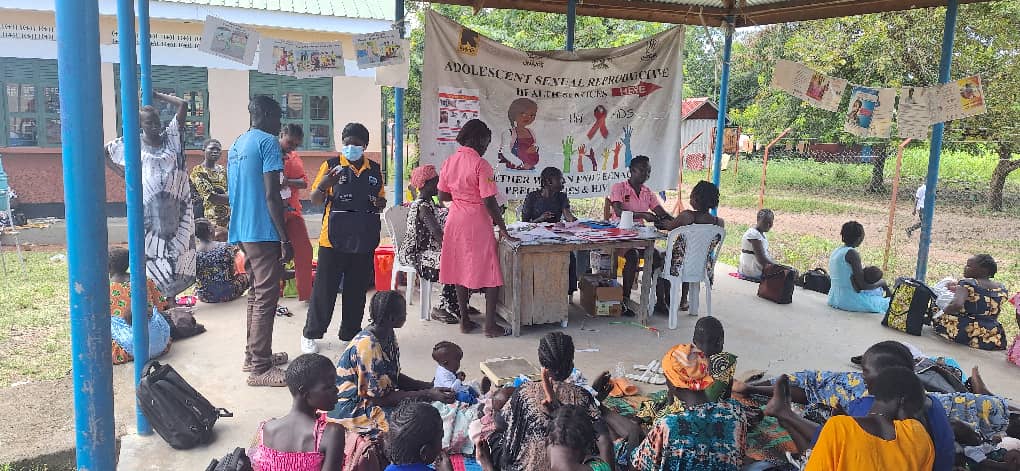
HIV/TB prevention and referrals, SRH services, leprosy awareness and CHW training.
Inclusive learning support, peace education and life skills for youth.
Our Approach
- Community-led programming informed by needs assessments and protection principles.
- Partnership and coordination with government, INGOs, CBOs and local leaders.
- Gender-sensitive and disability-inclusive design across all projects.
- Data-driven implementation with monitoring, evaluation and accountability mechanisms.